

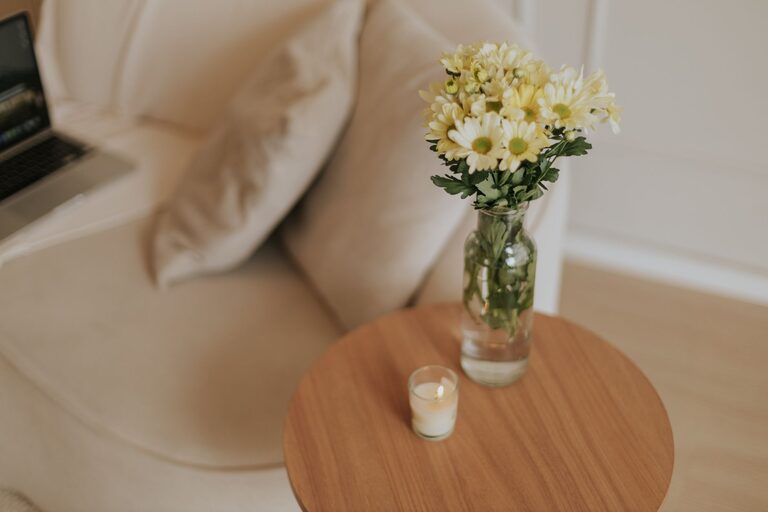
Creating a home office that feels cozy and inviting can make all the difference in your workday. Whether you’re working remotely full-time or just need a dedicated spot for occasional work, a pleasant environment boosts focus and creativity. Here are practical tips to help you design a home office that’s comfortable, stylish, and organized.
Choose the Right Location
Start by selecting a spot in your home that minimizes distractions. Ideally, pick a quiet corner near a window for natural light. If possible, avoid areas with heavy foot traffic or noisy appliances. Having a dedicated area signals your brain it’s time to work, setting a productive tone.
Prioritize Comfortable Seating
An ergonomic chair is essential, but comfort goes beyond support. Look for adjustable chairs with good lumbar support to keep your back healthy during long hours. Add a soft cushion or throw blanket to create a warm, inviting feel. If space allows, consider a small lounge chair nearby for quick breaks or brainstorming sessions.
Optimize Lighting
Good lighting reduces eye strain and improves mood. Maximize natural light by keeping windows unobstructed. Supplement with layered lighting, including a desk lamp for focused tasks and softer ambient lights for a cozy atmosphere. Adjustable lamps let you control brightness depending on your needs.
Personalize Your Space
Make the office your own by adding personal touches. Display photos, artwork, or items that inspire you. Plants are particularly effective in adding life and color, improving air quality, and reducing stress. Choose low-maintenance plants like succulents or pothos if you don’t have a green thumb.
Organize Efficiently
Clutter can quickly make a space feel chaotic and uncomfortable. Use storage solutions like shelves, filing cabinets, and desk organizers to keep everything in its place. Cable management tools prevent tangled cords from piling up. A clean, well-organized office helps clear your mind and improves workflow.
Add Soft Textures
Incorporate soft textiles such as rugs, curtains, or cushions to soften hard surfaces and add warmth. A plush rug can define the office area and make the floor more comfortable. Curtains not only control light but also reduce echoes, creating a quieter work environment.
Use Calming Colors
Choose color schemes that promote relaxation and concentration. Soft blues, greens, and neutrals work well for a calming atmosphere. If you prefer bolder colors, consider accent walls or decorative elements to balance energy and tranquility.
Keep Technology User-Friendly
Set up your computer, printer, and other devices in a way that minimizes clutter and maximizes efficiency. Wireless devices reduce cable mess, and having technology within easy reach prevents unnecessary movement that interrupts focus. Don’t forget good-quality headphones if you need to tune out distractions.
Incorporate Break Spots
If space permits, include a small area within your office for breaks. A comfy chair with a side table or a small coffee station encourages you to step away occasionally, which is important for productivity and mental health.
Maintain Cleanliness
Regularly dust and tidy your workspace. A clean environment feels more inviting and helps prevent allergens. Keep cleaning supplies handy so you can quickly address spills or dust buildup.
Final Thoughts
Designing a cozy and inviting home office is about balancing comfort, functionality, and personal style. With the right setup, your workspace can become a sanctuary where you feel motivated and relaxed. Start with these tips and adjust according to what makes you feel most comfortable and productive. Your ideal home office is within reach!